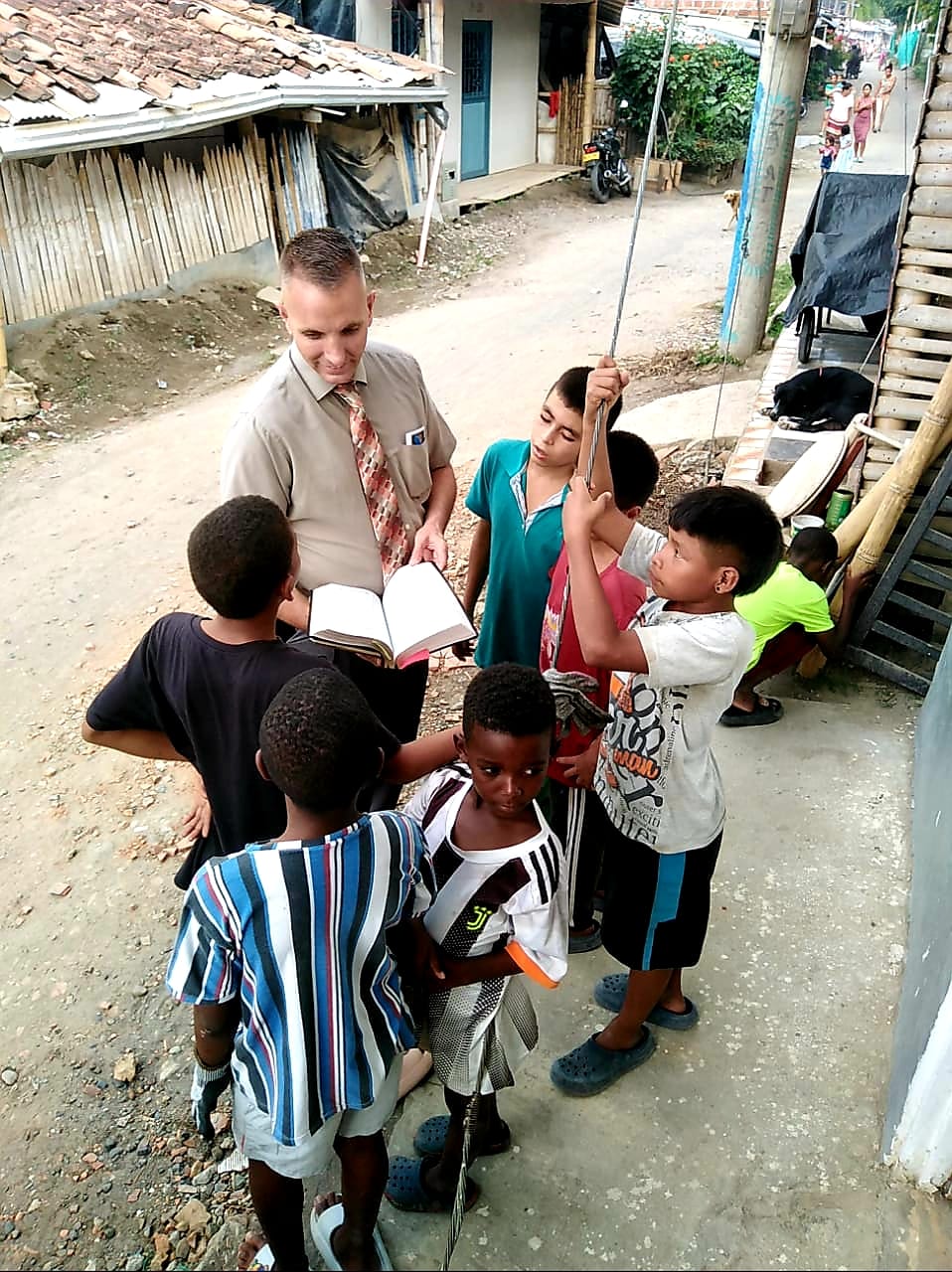
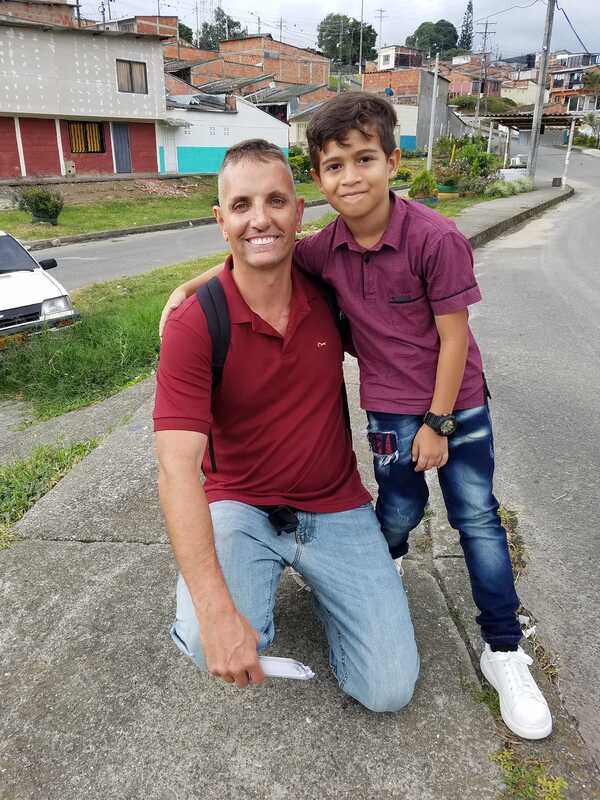
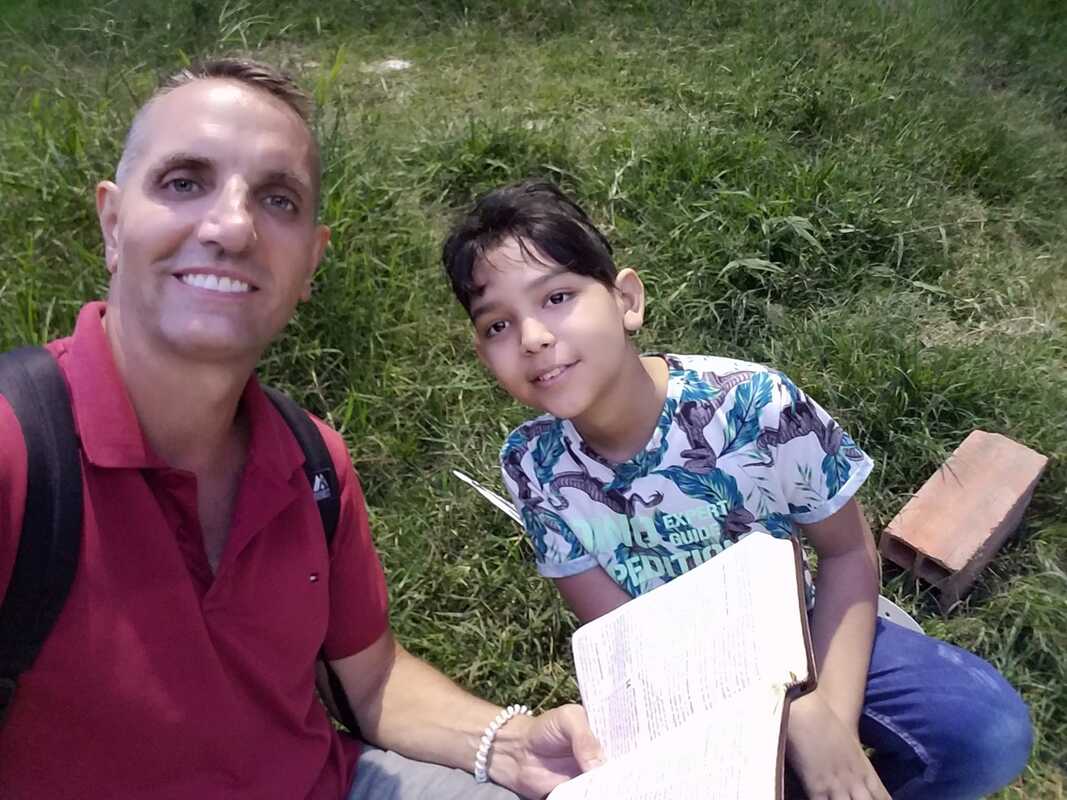
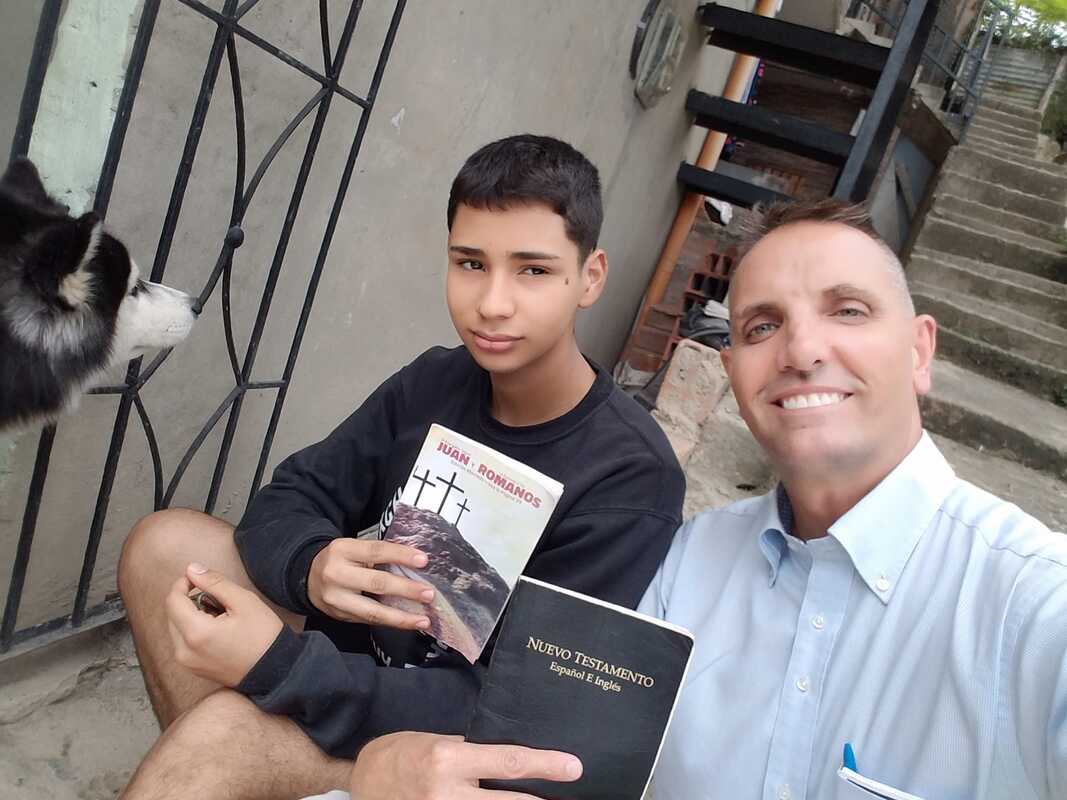
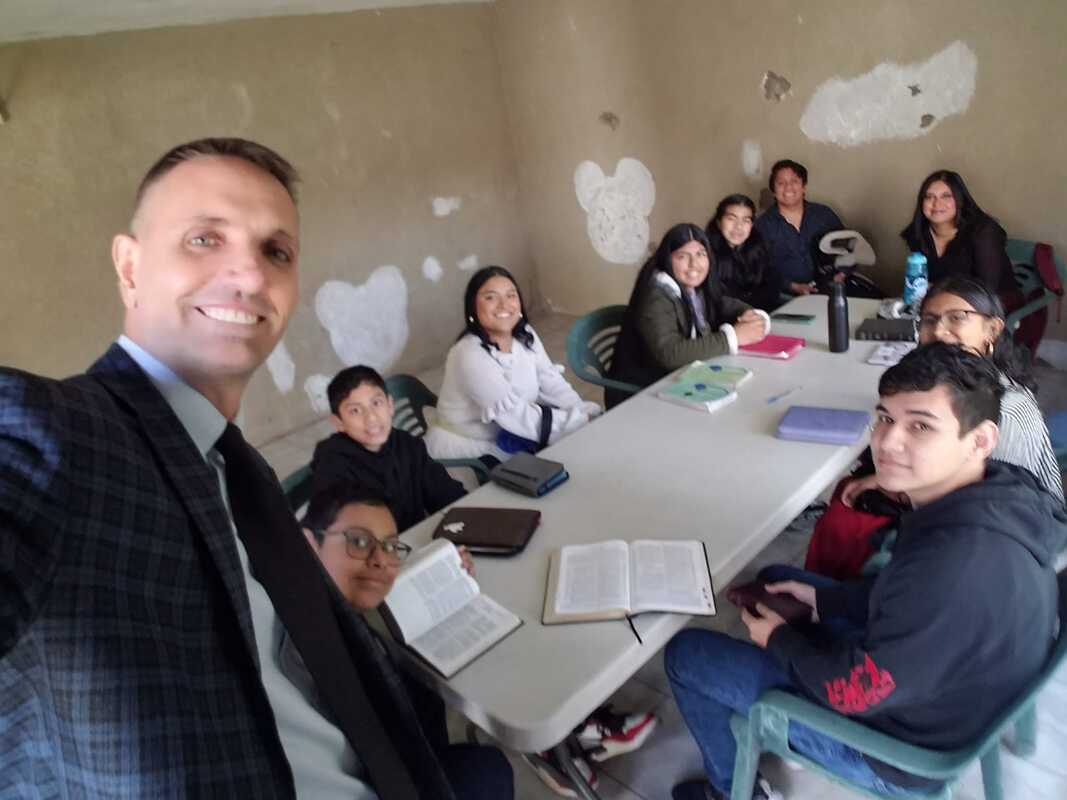
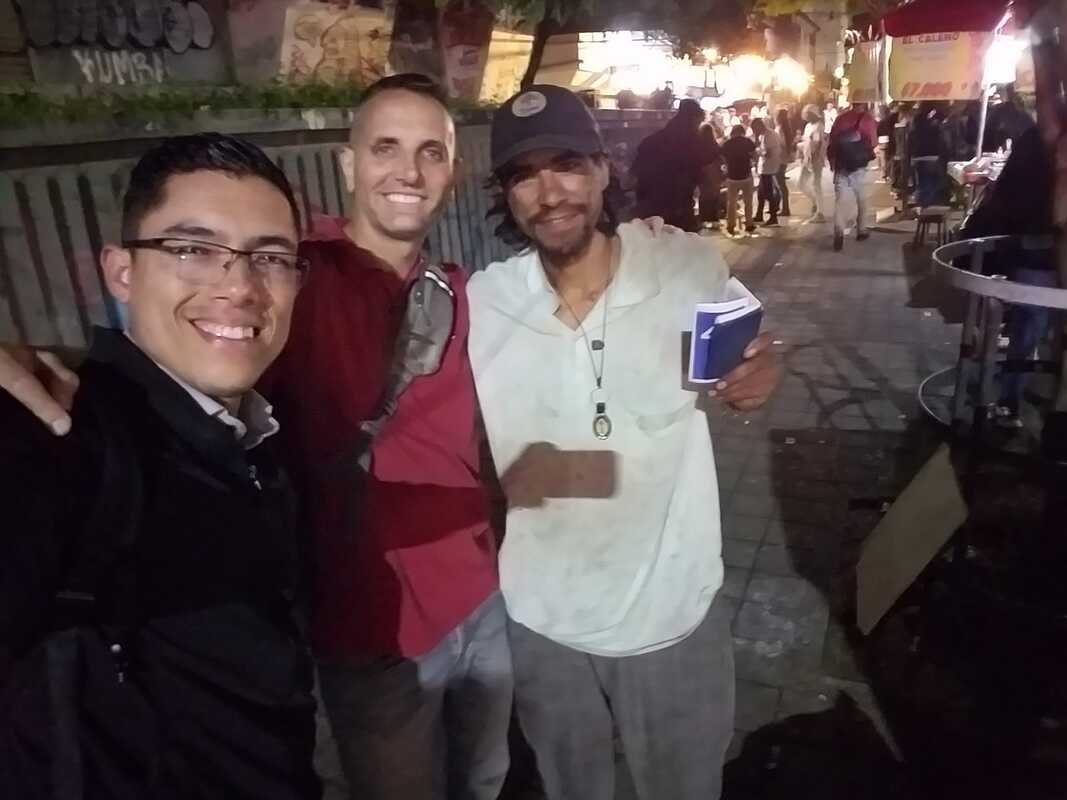
About a month ago, I taught nine lessons on discipleship through the Gospel of Matthew at a church conference in Colombia. Since then, people from other places have asked me questions regarding discipleship, and I must say that I am grateful to them. Since discipleship is one of the commands Jesus gave His church as part of the Great Commission, many Christians, along with many pastors, have never really been shown how to disciple someone.
That matters because I believe much of what troubles the church today stems from our failure to make disciples. We indeed have plenty of Christianity: meetings, programs, services, activities, sermons, and ministries. But with all of that, so many Christians only have shallow relationships. Too often, we put people into church without deliberately investing our lives into them. We have become skilled at gathering people, but not good at walking close enough with someone for them to feel comfortable in being real about their struggles, failures, decisions, and deepest needs.
The question I keep hearing is a good one: How do I disciple someone?
I would begin with Jesus.
If we want to learn how to disciple people, then we should study the One who did so perfectly. I urge people to study the Gospel of Matthew—not simply to find what Jesus taught, but to observe what Jesus did with people. Watch how He interacted with the crowds, but focus even more on the way He interacted with individuals. Notice how He spent time with His twelve disciples both in public and in private; He built up relationships with them. He taught them, corrected them, encouraged them, challenged them, and in the end sent them out to carry out what He had been doing.
Then study the life of the apostle Paul. He didn’t simply preach to crowds either. Instead, he made a point of investing his life in individuals. They did not merely sit in a classroom and hear Paul teach; rather, they spent significant time with him and got to see his life up close. He was open with them about his troubles, his blessings, and the difficult times he had. They were close enough to see what it actually looked to follow Christ in ordinary life.
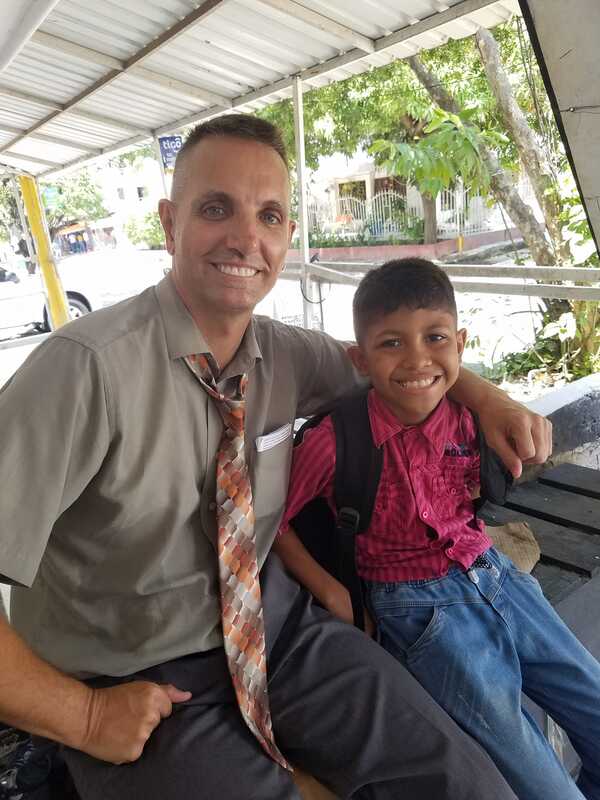
That is something I have strived to put into practice in my own life. Over the years, I have opened my home to others so they might take part in Bible studies, have meals, play games, and spend time in prayer together. On some occasions, I take a person to a restaurant for a snack or have a meal with them. Other times we meet at a park or by a lake. What is important is not the activity itself but rather that I am making a comfortable environment in which we can get together, talk about our lives and, ultimately, speak about Christ and the Bible. The more trust is built, the more willing people become to tell me about the difficulties they are struggling with, the decisions they are facing, the failures they have had, and the areas where they need biblical guidance. It is in those moments that we can assist one another.
That is when discipleship becomes more than sitting across a table and going through a lesson. The aim is trying to know the person, not simply teach the person.
We often limit discipleship to simply giving someone a book, taking them through a series of lessons, or meeting once a week for coffee. These things can be part of discipleship, but discipleship is much deeper than a one-way transfer of information from one person to another. At its core, discipleship is a relationship in which one person intentionally helps another get nearer to Jesus Christ, and in doing so, the discipler also draws closer to Christ.
So where do you find somebody to disciple?
Almost anywhere.
A good place to start is with your own church. When you are part of an assembly of believers, there are generally some young persons who are hungry and desire to get to know God better. Maybe they do not know much yet. Maybe they are not particularly gifted. But they ask questions, listen, show up, and want to learn. Those people are worth noticing.
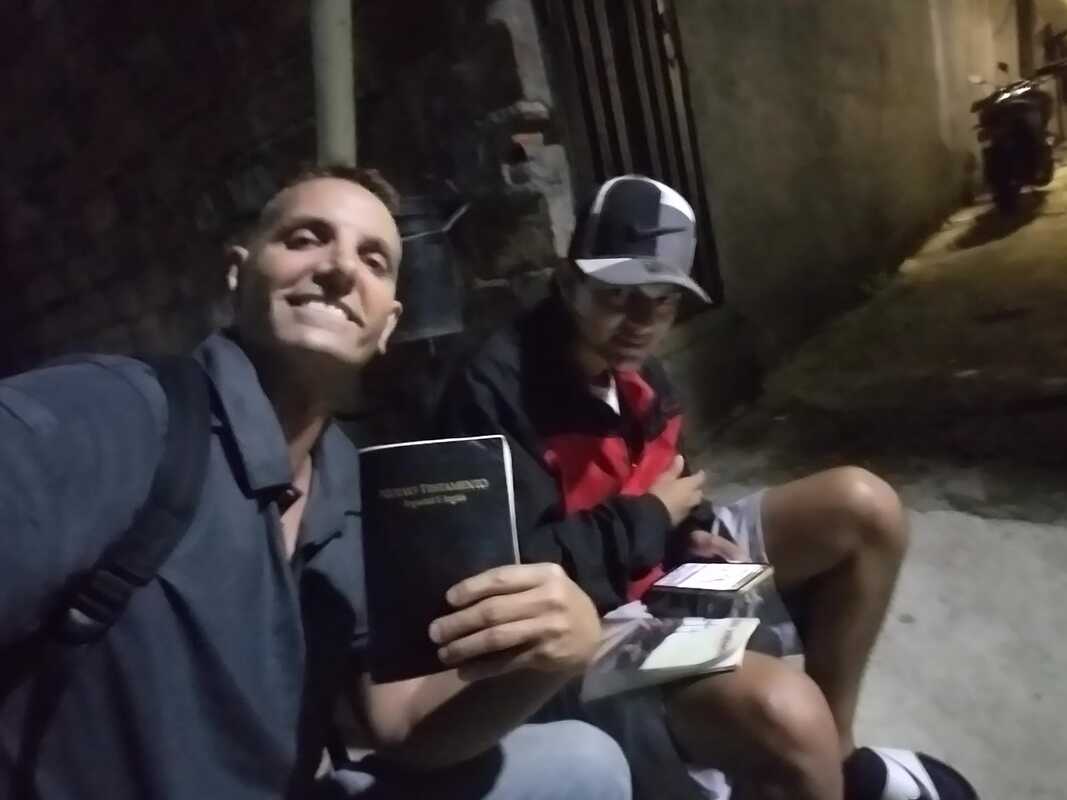
But do not limit your thoughts to the church house. People all around us are searching and wondering how to know God. I have come across many of them at the gym where I lift weights. I have found them through weekly evangelism times. I have found them simply by talking to people.
For instance, whenever I evangelize, I am not looking to convert sinners because I cannot convert anyone. Salvation is God's responsibility. When I “soulwin,” I want to share the Gospel with someone who will listen, but at the same time, I am keeping an eye out for the possibility that a conversation might develop into a friendship, that is, a relationship in which I can offer myself and help that person get nearer to Jesus Christ.
That is where discipleship begins.
A disciple is a learner and follower of Jesus Christ. I often define a disciple as a person who knows Christ, grows in Christ, and goes for Christ; that is, one who is following Jesus, being transformed by Jesus, and becomes committed to the mission of Christ. If therefore I want to obey the Great Commission, I ought to look for people I can help to know Christ, grow in Christ, and eventually go and do the same by investing their lives in somebody else.
But there’s a practical problem: neither you nor I can give 100% of our lives to everyone.
Our time, our resources, and our energy are all limited. If we are going to make a deliberate decision to invest our lives into someone, then we should look for certain qualities. Years ago, the man who discipled me taught me four qualities that can be remembered by using the acronym F.A.T.T.: Faithful, Available, Teachable, and Trainable. We want to find F.A.T.T. people.
The first is Faithful.
Paul told Timothy in 2 Timothy 2:2, "And the things that thou hast heard of me among many witnesses, the same commit thou to faithful men, who shall be able to teach others also." Notice that Paul did not tell Timothy to find the most talented men, the most educated men, or the most impressive men; rather, he told him to look for faithful men.
That tells me something important about discipleship. Faithfulness is more valuable than giftedness. A person may lack knowledge, and he may lack experience as well; he may still have a great deal of spiritual growth ahead of him. Yet if he is faithful, God can work with him. I want to know whether someone keeps his commitments, whether I can trust him, whether he is reliable, and whether his walk with Christ is consistent. Talent can get someone's attention, but faithfulness is what allows you to build something into his life.
The second is Available.
A person can tell me he wishes to grow, but eventually his calendar will tell me just how serious he is. Discipleship requires time, and a disciple-maker cannot effectively invest in someone who is unwilling to make time for spiritual growth. Availability reveals what a person truly values.
To follow Jesus has always involved making room for Him. The first disciples gave up their nets, their occupations, and their plans in order to follow Christ. That does not mean every Christian must abandon his job or responsibilities, but it does mean that following Christ requires making room for Christ. A person who genuinely wants to grow must be willing to meet, rearrange his schedule when necessary, and make spiritual growth a priority.
The third is Teachable.
In order to be a disciple, one should have a desire to learn. Proverbs 9:9 says, "Give instruction to a wise man, and he will be yet wiser: teach a just man, and he will increase in learning." A person who is willing to be taught listens carefully, accepts biblical correction, asks honest questions, desires to grow, and can take in instruction without becoming defensive.
There is an important distinction here. A teachable person needn’t agree with every statement I make the moment I say it; he is free to ask questions, search the Scriptures, and wrestle with something he does not understand. This is part of learning. Nevertheless, it is one thing to ask questions because one wishes to understand and quite another to constantly argue because one does not want to be taught.
The opposite of teachability is not ignorance; rather, it is an unwillingness of the heart. I can teach someone who does not know something. I can teach someone with little experience, and I can even teach someone who has made a mess of things. But I cannot teach someone who has already decided he has nothing to learn. When a person constantly wants to argue, debate, or resist instruction, and does not receive biblical teaching with an appreciative heart, then he is not teachable by me, and I should not spend as much of my life with him as I should with someone truly hungry to grow.
The fourth is Trainable.
It is here that discipleship moves beyond knowing truth to putting that truth into practice. Jesus did not merely give His disciples information; He trained them by demonstrating the truth before them, taking extra time to explain what He was doing, correcting them whenever they failed, and then sending them out to do the same.
A trainable person is willing to put what they have learned into practice. He doesn’t simply nod his head and say, "I agree"; instead, he takes action on what he has learned. He lets someone walk alongside him, helping him develop his character and ministry, pointing out the areas he needs to improve, and then he gets back up and continues on.
That is one of the main differences between education and discipleship. You can give someone information without in any way altering the way he lives. Training involves putting into practice what has already been learned. A trainable person is willing to attempt, fail, to receive correction, and then try again. If a person is unwilling to put truth into practice, then as before, I should not waste my time trying to impose discipleship on him.
However, before we begin looking around for our F.A.T.T. people, we should first examine ourselves: Am I faithful? Am I available? Am I teachable? Am I trainable?
God cannot reproduce through us what we are unwilling to become ourselves. If I desire faithful people, then I had better be faithful. If I want people who make time for Christ, then I should daily set aside time for Christ. If I want people who accept correction, I had better be willing to receive correction. If I want people who put into practice the truth, I had better practice the truth I am teaching them.
Why does this matter?
Because this was Christ's strategy, and it was Paul's strategy. It has been the strategy of faithful disciples throughout the centuries.
Paul invested his life in Timothy. Timothy was told to invest in faithful men who could also teach others. Those faithful men were to invest in others, and those people in turn were to invest in others after them. The process was never supposed to end with Timothy or with the following generation; it was meant to continue from one generation to the next, all the way down to you and me.
That is the multiplication of discipleship.
Which is why I do not think the solution to the church's discipleship problem is just having larger meetings or more programs. We need Christians willing to invest their lives in other people; then those people, in turn, invest their lives in other people, and so on. One life touching another life, and then another life, and then another.
Now the question turns personal: who is your Timothy?
Not who attends your church. Not who sits in your Sunday school class. Not who follows you on social media. Rather, who are you intentionally putting your life into so that person may become a faithful disciple of Jesus Christ?
Whom are you teaching God's Word to? Who are you helping to learn to pray? Who knows Christ more because you have made yourself available to them? Who is becoming stronger in Christ because you have been willing to open your life, your time, your home, your resources, and even your struggles to them?
If the answer is nobody right now, that is where you should begin. Ask God, “Who are You calling me to invest my life in?”
Then start looking.
Look in your church. Look at the younger Christian who is hungry to learn. Look at the person who keeps asking questions. Look outside the church walls. Look at the people God puts in your path through your work, neighborhood, friendships, gym, and opportunities to share the Gospel.
You cannot disciple everyone. But you can find someone who is Faithful. Available. Teachable. Trainable.
Then offer that person something far more valuable than another church program.
Give them your life.
Walk with them. Teach them God's Word. Let them see Christ in your life, not just when everything is going well, but when life is difficult. Help them know and learn Christ, grow in Christ, and serve with Christ; then teach them to do for someone else what you have done for them.
Because the Great Commission was never about filling churches with people; it was about making disciples who in turn make disciples.
That means the question isn't simply, “Am I making disciples?”
The deeper question is: “Who will still be making disciples because I invested my life in them?”
RETURN TO ALL BLOGS